
Why Fire Risk Assessments Are a Legal Requirement for UK Businesses
Fire safety isn’t just good practice — it’s a legal obligation for every UK business. Whether you run a small shop, a busy office, a large warehouse or any other commercial premises, you must have a fire risk assessment in place to comply with UK fire-safety law.
In this guide, we break down why fire risk assessments are mandatory, what the law requires, and why working with a professional provider like Tailored Safety is the simplest way to stay compliant.
👉 Learn more or book an assessment: Tailored Safety – Fire Risk Assessments
What Is a Fire Risk Assessment?
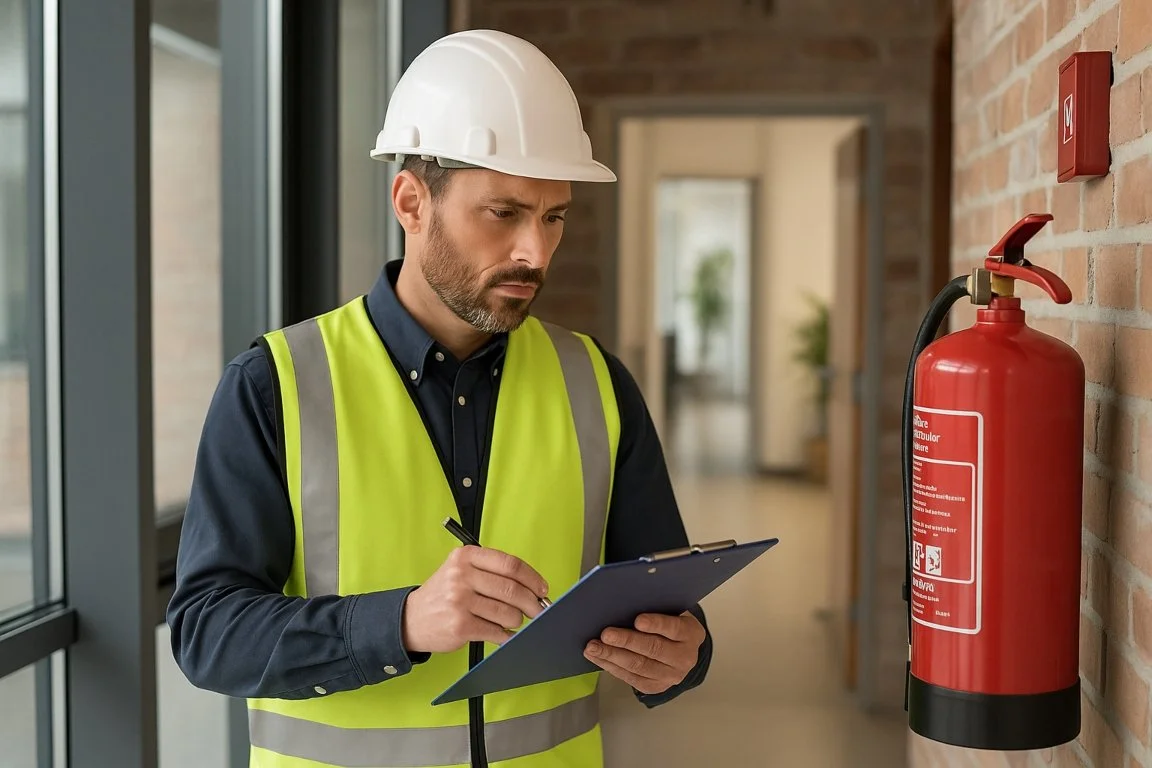
A fire risk assessment is a detailed review of your premises to identify fire hazards, determine who is at risk, and evaluate how well your current fire-safety measures protect people. A proper assessment covers:
Sources of ignition, fuel and oxygen
People at risk (employees, visitors, contractors, vulnerable individuals)
Escape routes and evacuation procedures
Fire detection, alarms and extinguishers
Emergency lighting and signage
Staff training and fire-safety responsibilities
A fire risk assessment must also be regularly reviewed — particularly if you make changes to the building, alter how it’s used, or increase staff numbers.
The Legal Requirement: The Regulatory Reform (Fire Safety) Order 2005
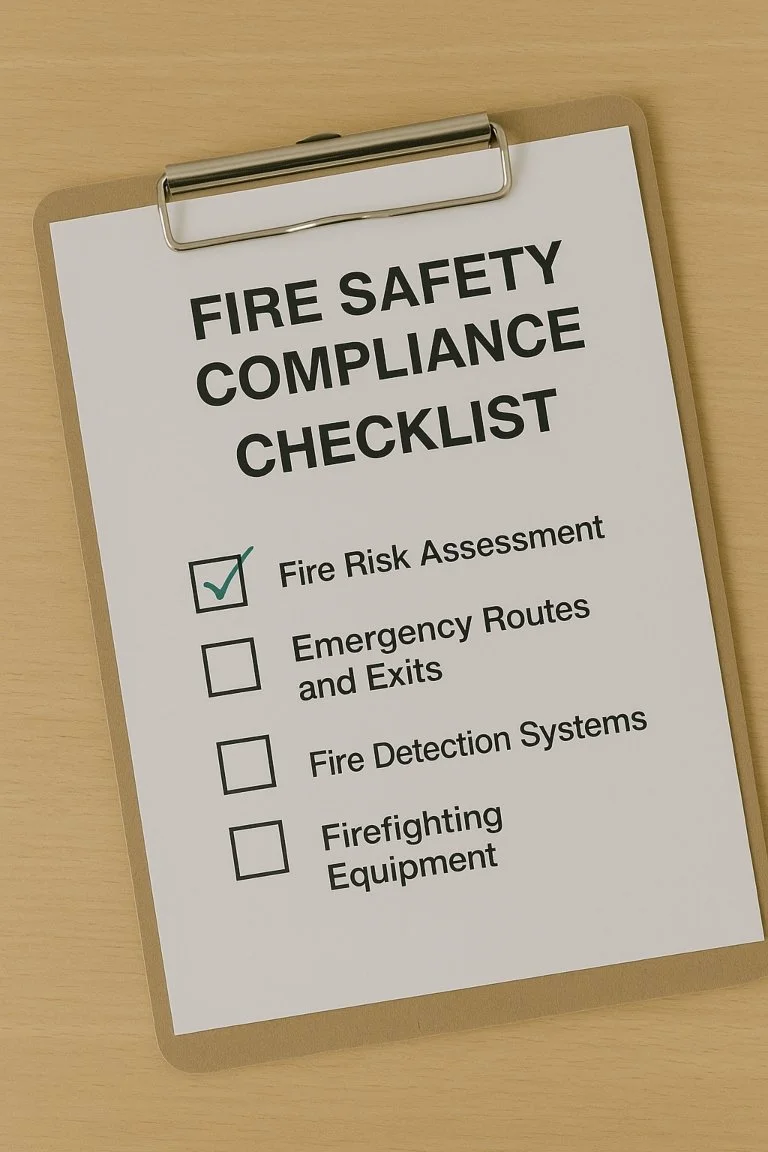
In England and Wales, the Regulatory Reform (Fire Safety) Order 2005 (often called the Fire Safety Order) sets the legal foundation for all fire-safety responsibilities in business and non-domestic premises.
This legal duty applies to organisations of every size, including sole traders and small companies operating from offices, shops, or shared premises. Many business owners seek support with fire risk assessments for small businesses to ensure their documentation meets statutory requirements while remaining practical and proportionate.
Under this law:
1. Every UK business must have a fire risk assessment
This applies to all non-domestic premises, including shops, offices, warehouses, industrial units, hospitality settings and more.
2. A “Responsible Person” must be appointed
This is usually the employer, building owner, landlord or managing agent.
They must ensure the fire risk assessment is carried out and maintained.
3. Fire-safety measures must be implemented
The assessment must not sit in a drawer.
You must act on its findings.
4. Assessments must be kept up-to-date
If your building layout, workforce, operations or equipment change, the fire risk assessment must be reviewed.
If your business employs five or more people, you must keep a written record of the assessment.
Why Fire Risk Assessments Are Essential for Legal Compliance
Failing to comply with the Fire Safety Order can lead to serious consequences, including:
Enforcement Notices requiring urgent improvements
Prohibition Notices that can shut down unsafe areas
Unlimited fines for serious breaches
Legal prosecution in cases of negligence
Insurance claim refusal in the event of a fire
See the 5 most common fire safety failures we find during inspections and how to fix them.
A fire risk assessment protects not only your business legally, but also your people, assets, productivity and reputation. Engaging professional fire risk assessment services can help businesses demonstrate due diligence, address potential gaps before inspection, and significantly reduce the risk of enforcement action or reputational damage.
Benefits of Completing a Professional Fire Risk Assessment
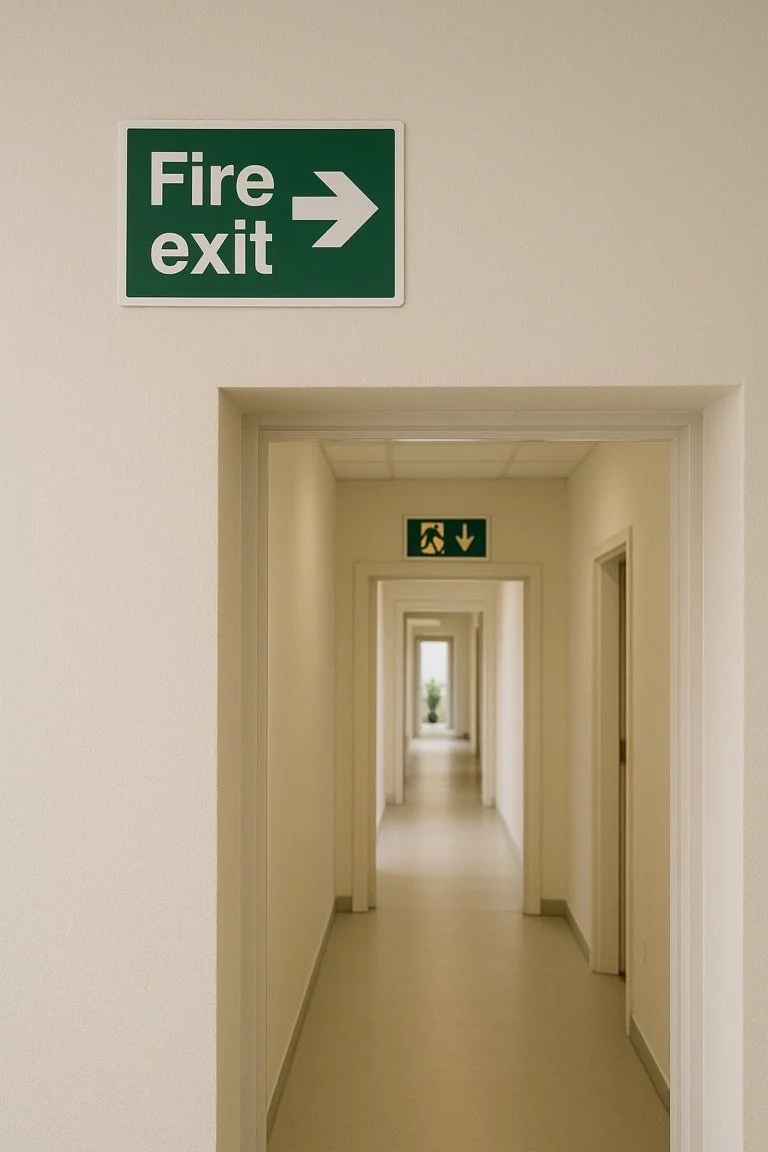
Beyond meeting legal requirements, a thorough risk assessment helps you:
Identify hidden hazards before they become dangerous
Improve emergency preparedness and staff awareness
Ensure escape routes, alarms and equipment meet safety standards
Demonstrate due diligence during inspections
Strengthen insurance compliance
Protect employees, customers and your business reputation
The easiest way to stay compliant is to use a professional fire-safety provider who understands UK regulations in detail.
👉 Book a professional assessment with Tailored Safety:
https://www.tailoredsafety.co.uk/fire-risk-assessments
Final Thoughts
A fire risk assessment isn’t optional — it’s a legal requirement for all UK businesses. The Fire Safety Order 2005 places clear responsibilities on employers, landlords and building owners to protect everyone who enters their premises.
By investing in a professional fire risk assessment, you’re not only meeting the law — you’re safeguarding your people, your property and your future.
Ready to get compliant? Book a professional fire risk assessment with our qualified consultants.
Find expert support here:
Fire Risk Assessments – Tailored Safety