
Understanding CDM Regulations: What Contractors and Clients Need to Know
Construction projects, whether small refurbishments or large-scale developments, come with significant health and safety responsibilities. The Construction (Design and Management) Regulations 2015 (CDM 2015) were introduced to improve safety standards across all stages of construction work — from planning and design to project completion.
For contractors, clients, and anyone involved in construction, understanding CDM regulations is not only essential for compliance but vital for protecting workers, reducing risk, and ensuring efficient project delivery.
What Are CDM Regulations?
CDM Regulations provide a legal framework that ensures health and safety are embedded into the planning, design, and management of construction projects. Their primary aim is to reduce the number of fatalities, injuries, and ill-health incidents on construction sites.
Need RAMS for a CDM project? Our RAMS for contractors service is designed for construction and maintenance work.
Under CDM 2015, every construction project — commercial or domestic — must clearly define duty holders and ensure they understand their responsibilities. These include:
Client
Principal Designer
Principal Contractor
Designers
Contractors
Workers
For a detailed breakdown of each role, see our guide on roles and responsibilities under CDM 2015.
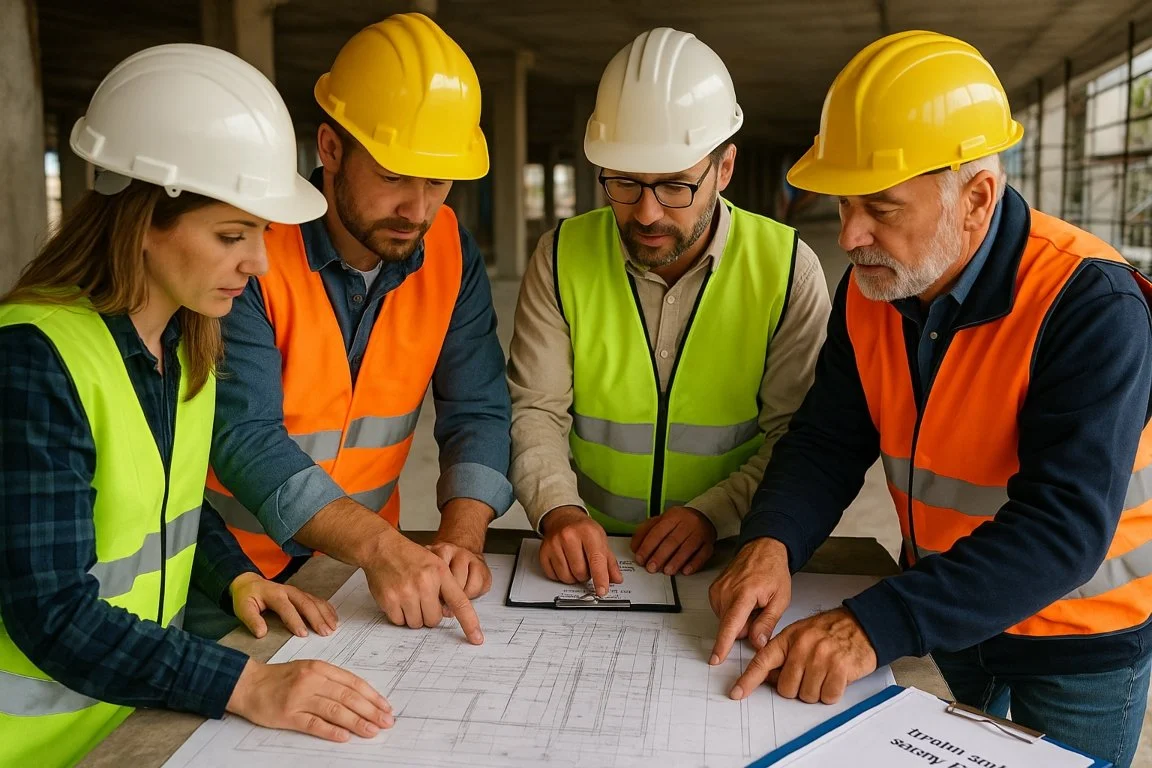
Why CDM Regulations Matter
Construction remains one of the UK’s highest-risk industries. CDM Regulations were created to:
Improve project planning and risk management
Ensure effective communication among all parties
Reduce onsite hazards
Promote safer working environments
Strengthen accountability
Proper CDM compliance leads to safer projects, fewer delays, and better cost control — making it essential for both clients and contractors.
Key Responsibilities Under CDM Regulations
1. Client Responsibilities
Clients play a crucial role in setting standards for health and safety. Their duties include:
Appointing a competent Principal Designer and Principal Contractor
Ensuring appropriate resources, time, and funding for safety
Providing relevant pre-construction information
Ensuring welfare facilities are provided throughout the project
Making sure construction work is carried out safely and meets regulations
If you’re unsure about your obligations as a client, Tailored Safety can help.
👉 Speak to a CDM specialist: https://www.tailoredsafety.co.uk/contact
2. Principal Designer Responsibilities
The Principal Designer manages health and safety during the pre-construction phase. They must:
Identify and manage risks during the design process
Coordinate information among designers and contractors
Prepare and develop the pre-construction information
Ensure project plans integrate safety considerations
Their role is crucial for eliminating or reducing risks before construction begins.
3. Principal Contractor Responsibilities
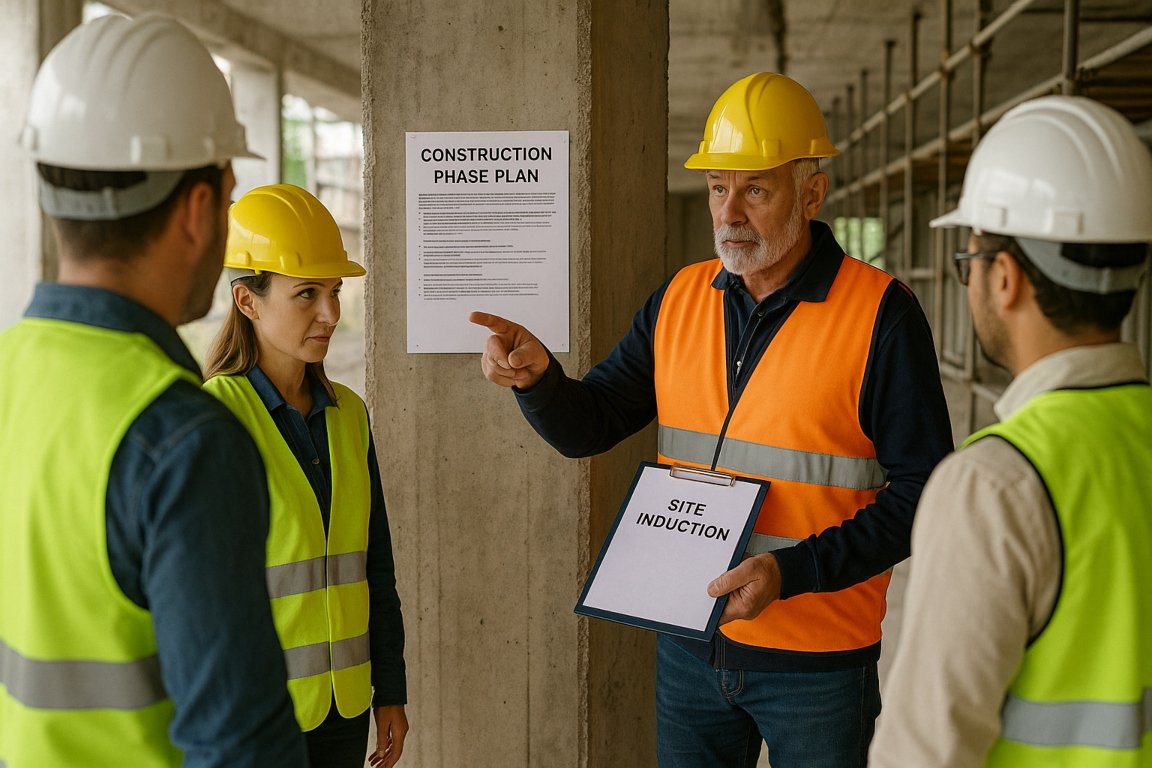
The Principal Contractor oversees health and safety during the construction phase. Their duties include:
Preparing and updating the Construction Phase Plan
Ensuring site inductions and ongoing training
Managing site access and welfare provisions
Coordinating contractors and monitoring work activities
Ensuring safe systems of work and regular site inspections
Well-managed construction sites significantly reduce the likelihood of accidents and project delays.
4. Designer and Contractor Responsibilities
Designer Duties
Designers must ensure their work avoids, reduces, or controls foreseeable risks. They must also provide clear information to those constructing, using, or maintaining the structure.
Contractor Duties
Contractors must plan work safely, supervise workers appropriately, and communicate any risks or changes that could affect safety.
Clear documentation, communication, and planning are at the core of compliance.
What Happens If You Don’t Comply?
Failing to follow CDM Regulations can lead to:
Enforcement notices
Prosecution
Significant fines
Project delays
Reputational damage
Both clients and contractors can be held liable if duties are not met — making competent advice essential.
In practice, this often means preparing detailed, site-specific documentation such as CDM-compliant RAMS for contractors, clearly outlining hazards, control measures, and safe systems of work before activities begin on site.
How Tailored Safety Supports CDM Compliance
Many organisations seek SSIP and contractor audit support to help meet accreditation requirements, demonstrate competence, and ensure documentation stands up to external scrutiny during tendering or project onboarding.
Tailored Safety provides expert CDM support, including:
CDM advisory services for clients and contractors
Construction Phase Plan development
Pre-construction information support
Site inspections and audits
Health and safety training for construction teams
If you're planning a new project and need professional guidance, our team is ready to help.
👉 Request CDM advice today: https://www.tailoredsafety.co.uk/contact
Conclusion
Understanding CDM Regulations is essential for anyone involved in construction. With clearly defined roles and structured safety planning, CDM helps reduce risk, protect workers, and ensure projects run smoothly from start to finish.
Use our CDM compliance checklist blog to make sure your project documentation is complete before work starts.
By staying compliant — and seeking expert support when you need it — you create safer sites, stronger teams, and more successful builds.