
The Complete Guide to Fire Risk Assessments: What Inspectors Look For
Fire risk assessments are a legal requirement for almost all non-domestic premises in the UK, but many business owners are still unclear about what they involve and what fire inspectors actually look for.
Need a professional fire risk assessment? Our fire risk assessment service provides a full inspection with a clear, actionable report.
Whether you manage an office, shop, warehouse, residential block, or industrial site, understanding the fire risk assessment process is essential for protecting lives, property, and your business. In this guide, Tailored Safety explains exactly what fire risk assessments are, why they matter, and how inspectors assess fire safety compliance.
👉 Learn more about our professional services on our Fire Risk Assessments
What Is a Fire Risk Assessment?
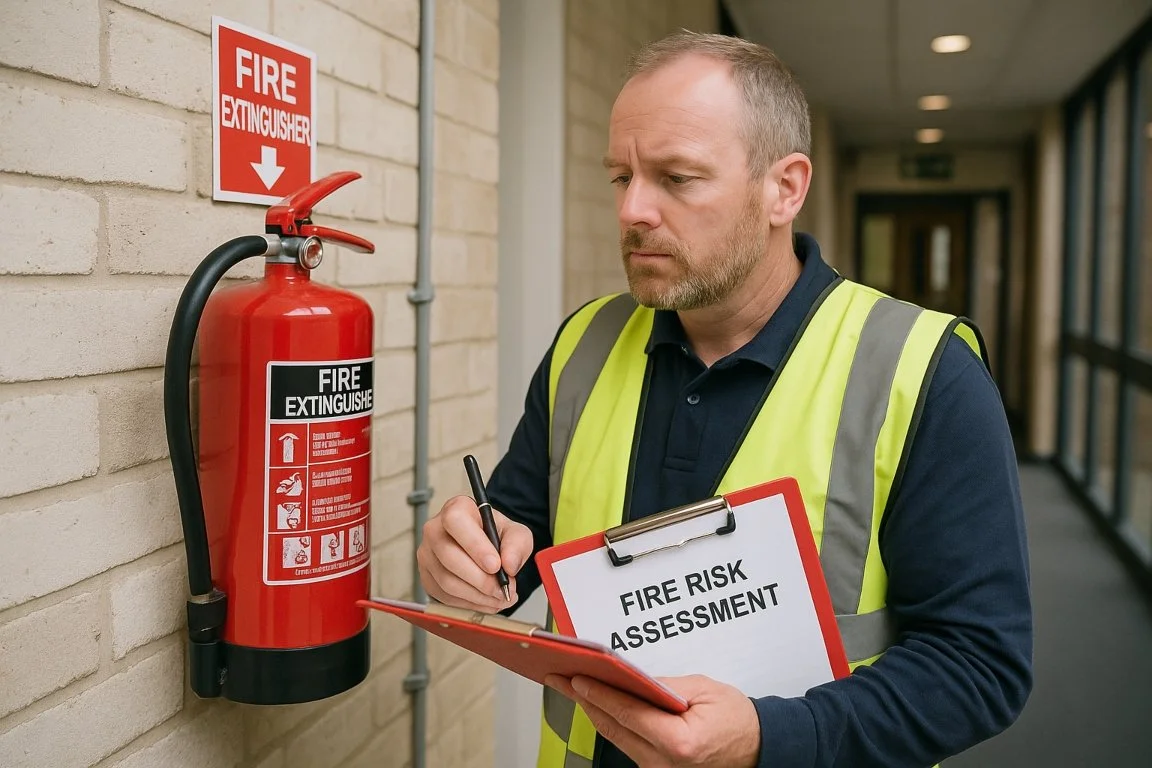
A fire risk assessment is a structured evaluation of a building to identify fire hazards, assess who may be at risk, and determine whether existing fire safety measures are adequate.
Under the Regulatory Reform (Fire Safety) Order 2005, the “Responsible Person” must ensure that a suitable and sufficient fire risk assessment is carried out and kept up to date. This applies to almost all commercial and non-domestic premises in the UK.
Why Fire Risk Assessments Are Legally and Practically Essential
Fire risk assessments are not just about compliance — they are fundamental to workplace safety. A properly conducted assessment helps to:
Reduce the likelihood of fire
Minimise risk to employees, visitors, and residents
Ensure safe evacuation in an emergency
Avoid enforcement action, fines, or prosecution
Protect business continuity and reputation
Professional assessments also demonstrate due diligence if your premises are ever inspected by fire authorities.
What Fire Inspectors Look For During a Fire Risk Assessment
Fire inspectors follow a structured approach when reviewing premises. Below are the key areas they focus on.
1. Identification of Fire Hazards
Inspectors will assess potential ignition sources, fuel sources, and oxygen sources, including:
Electrical installations and appliances
Heating systems
Cooking equipment
Flammable materials and chemicals
Poor housekeeping or waste storage
They expect clear evidence that risks have been identified and controlled.
2. People at Risk
Inspectors assess whether the fire risk assessment properly considers everyone who could be affected, including:
Employees and contractors
Customers and visitors
Lone workers
People with disabilities or limited mobility
Personal Emergency Evacuation Plans (PEEPs) may be required where applicable.
3. Fire Detection and Alarm Systems
Fire detection systems must be suitable for the building type and occupancy. Inspectors will check:
Smoke and heat detectors
Fire alarm coverage
Audible warning levels
Testing and maintenance records
Systems must comply with relevant British Standards and be regularly tested.
4. Means of Escape and Emergency Routes
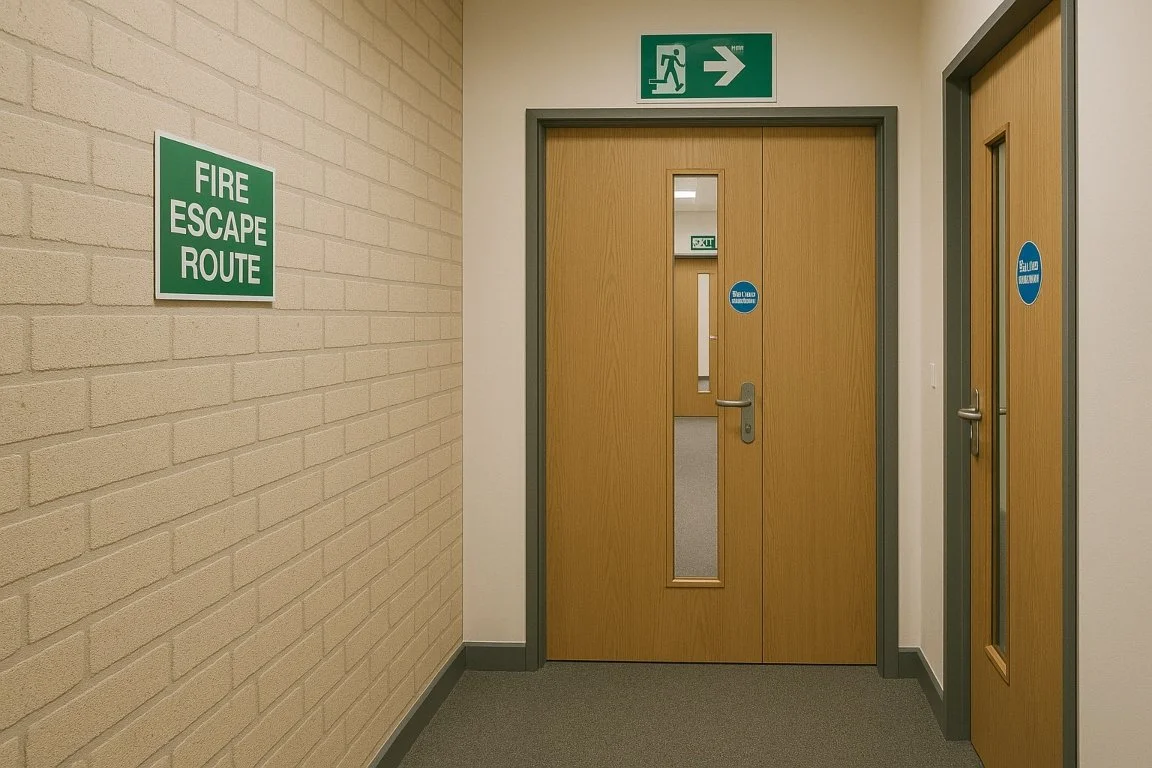
Safe escape routes are critical. Inspectors look for:
Clearly marked and unobstructed escape routes
Emergency exits opening easily and in the correct direction
Adequate emergency lighting
Fire doors in good condition
Any blocked exits or poor signage are common compliance failures.
5. Firefighting Equipment
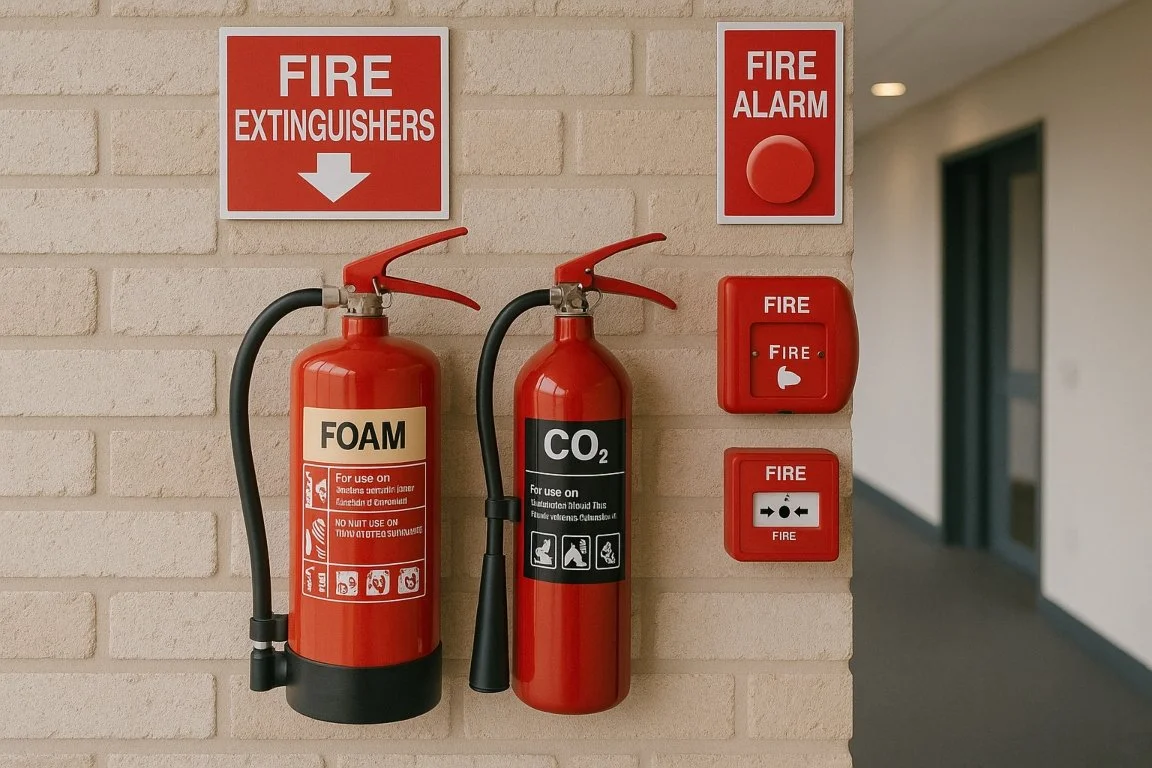
Fire extinguishers and other equipment must be:
Suitable for the fire risks present
Correctly located and signposted
Serviced annually
Supported by staff training
Inspectors will review servicing certificates and placement.
6. Emergency Fire Procedures and Training
Inspectors expect to see clear emergency procedures, including:
A written fire emergency plan
Regular fire drills
Fire marshal or warden training
Staff induction fire safety training
Training records are a key part of compliance.
7. Documentation and Record Keeping
Documentation proves that fire safety is actively managed. Inspectors will review:
The written fire risk assessment
Review dates and updates
Maintenance logs
Training and drill records
An outdated or generic fire risk assessment is a common issue flagged during inspections.
Common Fire Risk Assessment Failures
Fire inspectors frequently identify issues such as:
Outdated fire risk assessments
Poor housekeeping increasing fire load
Blocked escape routes
Inadequate fire alarm coverage
Lack of staff fire safety training
Regular reviews help prevent these problems and ensure ongoing compliance.
Why Choose Tailored Safety for Your Fire Risk Assessment?
At Tailored Safety Solutions, we deliver clear, practical, and fully compliant fire risk assessments tailored to your premises and operations. Our qualified assessors go beyond box-ticking, providing actionable recommendations that improve safety and reduce risk.
We work with businesses across the UK to ensure compliance with current fire safety legislation.
👉 Find out more or request a fire risk assessment on our Fire Risk Assessments
Staying Compliant and Protecting Your Premises
Fire risk assessments play a vital role in maintaining safe, compliant buildings. By understanding what fire inspectors look for, businesses and property managers can take proactive steps to reduce fire risks, protect occupants, and meet their legal obligations.
Regularly reviewing your fire risk assessment ensures it remains suitable as your premises, staffing, or activities change. Professional support helps identify risks that may otherwise be overlooked and ensures all fire safety measures meet current standards.
Also read our article on the 5 most common fire safety failures found in UK workplaces for a quick overview of what goes wrong most often.
If you need expert guidance or a fully compliant fire risk assessment, Tailored Safety provides reliable, practical solutions designed around your specific needs.
Tailored Safety Solutions — supporting safer workplaces through effective fire risk management.
